5.10.15

Spring Cleaning For Summer Affiliated Skin Afflictions


Tinea versicolor, Moluscum Virus, Folliculitis, Bug bites
Summer is "officially" almost over and what we are dealing with right now is the after math in the form of different skin afflictions. Yup we’ve all been there —you’re staring at that funny patch of skin and frantically Googling the possible causes. But before you diagnose yourself with a rare ailment, check to see if your symptoms match up to anything on this list of slightly embarrassing, but totally common —post summer skin issues.

Tinea Versicolor

Folks this ailment is particularly prevalent in places that are humid all year round like the tropics, but in the summer can be seen across the globe —roughly 1 in 1000 people are usually affected. Typically it manifests its self in the form of light and dark patches of blotchiness on the skin. (Fun fact: The name versicolor actually means varied color). They’re often mistaken for sunspots, but this uneven skin tone is actually caused by a fungus that normally lives on the surface of your skin. When people sweat a lot, the fungus can take over, which is why symptoms tend to crop up during the spring and end of summer.
Tinea Versicolor

Prevention And Treatment
This yeast bonanza can be prevented by staying clean. The best preventative measure is to rinse off after a particularly sweaty day. Hop into the shower ASAP after exercising in humid weather.
For mild cases of tinea versicolor, you can try applying Selsun Blue or Nizoral Shampoo to the affected areas, leaving for 10 minutes, and then rinsing. If you want a guaranteed fix, your dermatologist can prescribe an antifungal medicine, either a pill for more serious all-over cases, or a topical foam that you rub on smaller patches of affected areas. (Tip: make sure to put foam on the splotches as well as beyond the borders of it.) The unexpected last step is getting a dermatologist-approved tan, as the fungus produces enzymes that leave skin hyper or hypo pigmented. Your skin won’t even out in color until you venture back out into the sun.

Folliculitis
If you live in workout clothes or spandex, you could be at risk for developing folliculitis. It is particularly easy to contract this bacterial infection in the summer months. Bacteria, like yeast, love the warmth. They thrive in warm, moist dark conditions. Essentially summer sweat is bacteria’s dream but it’s definitely not ours. Folliculitis tends to look like red bumps or pustules and is commonly found on shoulders, thighs and bottoms. Folliculitis can be itchy or burn. It is especially common in patients that are wearing tight clothes, if you are wearing spandex on the upper thighs and that compresses the hair follicle bacteria is more likely to grow there. Folliculitis can also be contracted in hot tubs or hammam maghrabi (Morrocan or Turkish baths). It is important to be sure that your bath place uses good sanitary and hygiene measures and every hot tub you spend time in should be properly chlorinated.

Folliculitis

Prevention And Treatment
After sweating exercise it’s important to change out of tight clothes after working out and try not to wear spandex all day in the summer months. Do your best to shower right after a work out. If you know you will be out for the whole day and it is very hot outside, bring a change of clothes. To nip the evil in the bud its wise to invest in an antibacterial cleanser that can prevent and treat folliculitis. If you notice something that looks like folliculitis contact your health practitioner, more severe cases require an oral antibacterial.

Molluscum Virus
It is seen most often in children, while not particularly dangerous, mollusum is annoying. It causes whitish translucent tan bumps anywhere on the body. These bumps can last for up to four years. Molluscum thrives in under chlorinated water, which is why it occurs so often over the summer. The virus can be passed from skin-to-skin contact. The reason why kids get it so commonly and adults don’t is because the immune system mounts a reaction to the virus. Eventually you can be exposed and not get the bump because your immune system knows how to fight it. When kids are first exposed to it, the body's immune system reacts, and this reaction leads to the bumps.

Molluscum Virus

Prevention And Treatment
Preventing molluscum can be tricky. No one wants to avoid pools all summer, let alone stop kids from jumping into a pool. Check with the pool owner to make sure that they are properly chlorinating it. It is also important to wash off as soon as you get out of the pool. Maintaining good hygiene is a way to prevent molluscum (as well as many other viruses.)

Pesky Bug Bites
Ouch! They are downright annoying but can also lead to some more serious health issues like malaria, dengue fever, Lyme disease or West Nile virus. Scratching a bug bite until it bleeds can also lead to infection. Hot weather means fewer clothes, more bugs and more bug bites. Bug bites can range in size from barely there specks to massive welts. Bug bite size does not correlate to bug or bug size. The idea that the size of the bite is determined by the bug is a misleading urban myth, that’s why most of the times just by looking at the bitten area it is difficult for your dermatologists to determine the bug’s specific species.
Initially the “cause” of a bug bite seems pretty straightforward. However the bug’s decision-making process is more complicated than just easy access to human blood. There are two major reasons why people get bitten by bugs, one: Carbon dioxide production, and second: the lipid mix on the surface of the skin. Mosquitos find humans by determining where carbon dioxide is being produced. As humans, producing carbon dioxide is pretty much unavoidable (we can’t exactly stop breathing to prevent a mosquito bite). Each person’s lipid mixture is a bit more varied. Everyone has a different composition of lipids on the surface of the skin. This mixture is made up of cholesterol, triglycerides, ceramides and other fats and certain lipid mixtures are more appealing to bugs. This is why it is common for some people to get bitten more than others.

Bug bites
Prevention And Treatment
Unfortunately, your skin’s lipid mix is based on genetics. You can’t change your DNA, but there are some preventative measures that everyone can take to avoid summer bites. The CDC recommends using bug repellents that contain DEET, picardin or oil of lemon eucalyptus. If you are into all organic and natural repellant try Para’Kito a green and safe solution to repel bugs. In addition it is important, especially in the bug season to sleep inside or in a screened in area (like a tent). 
Parakito prevents Mosquito bites
If you have a bug bite that is unusually itchy or feels painful, contact your doctor or dermatologist.

29.9.15

PCOS — My Skin & Me


polycystic ovarian disease
September is the PCOS (Polycystic Ovarian Syndrome) awareness month, so I’d like to wave goodbye to September by shedding some further light on the syndrome and sharing with our readers some information that might help ladies reach an early diagnosis as well as some skin related management tips for this difficult multisystem disease. It’s a grim fact that worldwide PCOS affects 6% to 10% of women, making it the most common endocrinopathy in women of childbearing age. 
Early diagnosis and establishing a good management plan are key to managing cosmetic issues and preventing long term health consequences, as there is no cure for PCOS.

PCOS At A Glance
Common symptoms of PCOS include irregular or no menstrual periods, acne, obesity/weight gain/inability to lose weight, breathing problems while sleeping, depression, oily skin/acne, infertility, skin discolorations, high cholesterol levels, elevated blood pressure, excessive/abnormal hair growth and distribution, pain in the lower abdomen and pelvis, multiple ovarian cysts, and skin tags. Some women have only a few symptoms, while others have several.

How Do You Know If You Have PCOS?
You can be diagnosed with PCOS if you have at least 2 of the following 3 criteria

1. Irregular or absent periods,
2. Blood tests or physical signs that show high androgens,
3. Polycystic ovaries.

Polycystic Ovarian Disease

Health Risks With PCOS
Women with PCOS have greater chances of developing several serious health conditions, including life-threatening diseases. Recent studies found that:

·      More than 50 percent of women with PCOS will have diabetes or pre-diabetes (impaired glucose tolerance) before the age of 40.
·      The risk of heart attack is 4 to 7 times higher in women with PCOS than women of the same age without PCOS.
·      Women with PCOS are at greater risk of having high blood pressure.
·      Women with PCOS have high levels of LDL (bad) cholesterol and low levels of HDL (good) cholesterol.
·      Women with PCOS can develop sleep apnea. This is when breathing stops for short periods of time during sleep.
·      Women with PCOS may also develop anxiety and depression. It is important to talk to your doctor about treatment for these mental health conditions.
·      Women with PCOS are also at risk for endometrial cancer. Irregular menstrual periods and the lack of ovulation cause women to produce the hormone estrogen, but not the hormone progesterone. Progesterone causes the endometrium (lining of the womb) to shed each month as a menstrual period. Without progesterone, the endometrium becomes thick, which can cause heavy or irregular bleeding. Over time, this can lead to endometrial hyperplasia, when the lining grows too much, and cancer.

Skin & PCOS
Polycystic Ovairian Disease
Being a dermatologist I’d like to focus on the skin-related symptoms of PCOS, which include oily skin, adult acne, increased/abnormal hair growth, skin tags, and dark velvety skin patches on neck known as acanthosis nigricans.

Acne and oily skin:
One of the earliest signs of PCOS is acne and oily skin which are primarily the result of hormonal disorders caused by androgens (male hormones). PCOS-related acne tends to flare in areas that are usually considered “hormonally sensitive,” especially the lower third of the face. This includes your cheeks, jawline, chin, and upper neck. Ladies with PCOS tend to get acne that involves more tender knots under the skin, rather than fine surface bumps, and these acne lesions tend to flare before the menstrual period. This type of cystic acne doesn’t resolve quickly and takes time to go away.

Unwanted Hair Growth:
Unwanted hair growth is also triggered by an excess of male hormones leading to excessive growth of facial hair, as well as hair on the abdomen and around the nipples. The same hormones are also responsible for hair loss on scalp, which is why ladies suffering with PCOS struggle with thinning hair on scalp and increased hair on face and body at the same time. Shaving, waxing, depilatories, and tweezing are all options, but each has its limitations and each demands ongoing efforts. Vaniqa cream has shown promising results to reduce facial hair growth. Laser hair reduction is another good long-term option.

Medications called anti-androgens may reduce hair growth and clear acne. Spironolactone (Aldactone), first used to treat high blood pressure, has been shown to reduce the impact of male hormones on hair growth in women. Finasteride (Propecia), a medicine taken by men for hair loss, has the same effect. Anti-androgens are often combined with birth control pills.  These medications should not be taken if you are trying to become pregnant.

Metformin (Glucophage) reduces insulin levels, and this change, in turn, reduces the ovarian testosterone levels by competitive inhibition of the ovarian insulin receptors. This drug is effective in treating increased hair in women with PCOS.

Hair Loss:
The type of hair loss women with PCOS experience is directly related to the excess production of male hormones caused by the disorder. Referred to as male-pattern baldness, it can be successfully treated with over-the-counter medications containing Minoxidil or Saw Palmetto along with oral contraceptive pills (Diane 35) and anti-androgen (Spironolactone) medication.

Skin Darkening:
The brown skin discolorations that occur with PCOS are unique, and are called “Acanthosis Nigricans”. They appear as darkened, velvety swaths of dark brown patches that most often develop on the nape of neck, armpits, inner thighs, or under the breast areas. Although these discolorations are not related to sun damage, the treatment is the same: daily exfoliation, sunscreen, and use of a topical over-the-counter skin-care product with 2% hydroquinone or other skin lightening agents. For stubborn cases, you may need a prescription-strength skin lightener that contains 4% hydroquinone.

Acanthosis Nigricans & Skin Tags

Skin Tags:
Fleshy skin growths in the armpits and neck regions are commonly spotted in PCOD. Once the hormones are fixed we can surgical remove or cauterize these growths.

Management Plan
Lifestyle modifications are considered first-line treatment for women with PCOS. Such changes include the following:
·      Diet - Low-fat, high-carbohydrate diets may increase insulin levels, so you may want to consider a low-carbohydrate diet if you have PCOS. Don't severely restrict carbohydrates; instead, choose complex carbohydrates, which are high in fiber. The more fiber in a food, the more slowly it's digested and the more slowly your blood sugar levels rise. High-fiber carbohydrates include whole-grain breads and cereals, whole-wheat pasta, bulgur wheat, barley, brown rice, and beans. Limit less healthy, simple carbohydrates such as soda, excess fruit juice, cake, candy, ice cream, pies, cookies and doughnuts.
·      Exercise - Exercise helps lower blood sugar levels. If you have PCOS, increasing your daily activity and participating in a regular exercise program may treat or even prevent insulin resistance and help you keep your weight under control.
·      Weight loss - Obesity makes insulin resistance worse. Weight loss can reduce both insulin and androgen levels and may restore ovulation. No single specific dietary approach is best, but losing weight by reducing how many calories you consume each day may help with polycystic ovary syndrome, especially if you're overweight or obese. Use smaller plates, reduce portion sizes and resist the urge for seconds to help with weight loss. Ask your doctor to recommend a weight-control program, and meet regularly with a dietitian for help in reaching weight-loss goals.

Medications used in the management of PCOS include the following:
·      Oral contraceptive agents (eg, ethinyl estradiol, medroxyprogesterone)
·      Antiandrogens (eg, spironolactone, leuprolide, finasteride)
·      Hypoglycemic agents (eg, metformin, insulin)
·      Selective estrogen receptor modulators (eg, clomiphene citrate)
·      Topical hair-removal agents (eg, eflornithine)
·      Topical acne agents (eg, benzoyl peroxide, tretinoin topical cream (0.02–0.1%)/gel (0.01–0.1%)/solution (0.05%), adapalene topical cream (0.1%)/gel (0.1%, 0.3%)/solution (0.1%), erythromycin topical 2%, clindamycin topical 1%, sodium sulfacetamide topical 10%)

The optimal management for PCOS is a multi-factorial approach involving diet and lifestyle modification along with appropriate medication. If you think that you have any symptoms which point towards PCOS speak to your GP as soon as possible.

14.9.15

Celebrity Beauty “Secrets” — Good Genes Or Great Skincare


Celebrity skincare
I kept being asked, “How do the celebs look so flawless day in and day out?” my answer is simple and realistic it takes a village to perfect a red carpet look. Most celebs work with a team of people dedicated to helping them look flawless — aestheticians, dermatologists, makeup artists, and photographers. I speak from professional experience when I say that the stars are just like everyone else: They experience dark circles, cystic acne, blackheads, and brown spots. But, since their physical appearance is an important and integral part of their careers, they spend a lot of time and money doing whatever they need to put their best face forward.

Myth Busted: “Celebs have Good Genes”
While good genes definitely play a role in certain skin conditions like oiliness, skin color, and skin thickness, you might be surprised to learn that approximately 30% of aging can be attributed to genetics and 70% to personal habits. This fact is clinically proven by studies that evaluated how identical-twins age. If it were all left to genetics, it would make sense for twins to age in the same manner and at the same rate, but research has shown us that lifestyle factors play a huge role. For example, if one person smokes or works in a profession that forces them to have more exposure to UV rays, one is bound to age faster than the other non-smoking twin who is rarely exposed to harmful UV rays. 
Most skin experts agree on the fact that good genes definitely play a role in how skin looks and acts, but, ultimately, it's how you take care of your skin on a daily basis that's a reflection of your age.

Real “Secrets” Of Celeb Skincare
Celebs do have a few tricks up their sleeves, which help them keep their skin flawless. Here’re a few cardinals rules that you can adopt to give your self an edge on the rest of the nescient populace.

Understand Your Skin Type And Stay Loyal To Your Skincare Routine
Daily skincare routine
The first and most important rule to achieve good skin is: understanding your skin type — normal, dry, oily, pigmented, sensitive or a mix. Second rule to be on your way to achieve skin perfection is: using products created for your specific skin type only. If people with oily skin will use products for dry skin only a disaster and an acne flare can come out of that. If you are unable to match your correct skin type to your skincare routine get professional help and see a dermatologist. Once you find the winning formula stick to it don’t change for the heck of changing. If your skin is changing, then and only then is it time for a change. In your daily skincare routine look for products with active ingredients like retinol, vitamin C, peptides, and salicylic acid, find a well-formulated moisturizer with sunscreen and apply it generously to the face and neck 365 days a year. Sunscreen is absolutely the most effective anti-aging product available.

Professional Skincare Treatments
professional skincare treatments
Chemical peels, oxygen treatments, bio-brasion, ultrasonic exfoliation, Mesotherapy, LED light, micro-current, RF facials Ultrasound facials…they do it all, oftentimes on a weekly basis. Of course, for a lot of us, this isn't realistic — or affordable — but good skin maintenance is something we can all manage. And, if you can't make it into a med spa or dermatologist’s office for monthly treatments, look for at-home treatments that can boost your skin similarly.

Stay Out Of Sun
Sun protection
Number one cause of wrinkles and skin pigmentations is UV rays from the sun, wearing an SPF moisturizer on the face and neck, 365 days a year, rain or shine, inside or outside is imperative. And, whenever possible (and assuming you’re interested in avoiding premature wrinkles), limit your time in the sun. Your skin will thank you and you’ll keep a smooth, healthy-looking, and even-toned texture.

Don’t be a starry-eyed fool next time you see a celebrity in a magazine. Their beauty routine is likely anything but easy and effortless.

31.8.15

Acne 101 — Take Your First Step Towards Unblemished Beauty

Acne treatment plan
Acne is a very common and pesky skin affliction that affects most people with combination to oily skin at some point in their life. In most cases acne usually debuts early in life (around puberty) and we call it teenage acne, but in some cases it appears later in life (past 20 years of age) and we call it adult/hormonal acne. Acne causes spots to develop on the skin, usually on the face, back and chest. These spots or blemishes can range from papules, black heads and white heads — which are often mild — to deep, inflamed, pus-filled pustules and cysts, which can be severe and long-lasting and lead to scarring.

Acne Stages

Why Do You Get Acne?

Acne is linked to your genetics and known to run in families. If both your mother and father had acne, it is likely that you will also have acne. It is most commonly linked to the changes in hormone levels during puberty, but can start at any age.

Acne affects the oil-producing glands next to the hair follicles in the skin. Certain hormones cause these glands to produce larger amounts of oil  (sebum). This abnormal sebum changes the activity of a usually harmless skin bacterium called P. acnes, which becomes more aggressive and causes inflammation and pus. The hormones also thicken the inner lining of the hair follicle, causing blockage of the pores (opening of the hair follicles). Hormonal changes, such as those that occur during the menstrual cycle or pregnancy, can also lead to episodes of acne in women.

Using wrong skin or hair products (comedogenic) can exacerbate acne.

Some medications also cause acne.

Friction or rubbing the skin (helmet, hat, tarha/scarf) can also cause acne

There is some evidence that stress and diet also play a strong role in acne.

Acne Trigger factors

What Can You Do If You Have Acne?

Keeping your skin clean is important, but will not prevent new spots from developing. Wash the affected area twice a day with a mild soap or cleanser, but do not scrub the skin too hard to avoid irritating it. If your skin is dry, use a moisturizer. While choosing your emollient make sure the product is dermatologically tested and labeled oil-free and non-comedogenic, so it doesn't cause spots.

Sad fact about acne is that it can't be cured permanently, it can be controlled with treatments and proper skincare. Several creams, lotions and gels for treating spots are available at pharmacies.

If you suffer at the hands of acne, it's a good idea to speak to your dermatologist for skincare advice and prevention. Products containing a low concentration of benzoyl peroxide or retinoic acid may be recommended (be careful as these can cause skin irritation and bleach clothing).

Acne treatment before after Dr. Shazia Ali

If your acne is severe, is leaving behind PIH and scarring or appears on your chest and back, it may need to be treated with antibiotics or stronger treatments that are only available on prescription.

My Acne Prescription

As we have already established there is no cure for acne but it can be controlled by judicious use of skincare and medications here’s my advise on how to keep your skin unblemished and clear even if your gene

Acne treatment Plan

For severe and cystic acne that affects the face as well as body and leaves behind scarring you better see a dermatologist as soon as possible before any permanent damage to your skin happen.
Acne Treatment plan

If you have acne, you will probably have to treat it for a long period of time — not just during an acne breakout. Work with a dermatologist to determine the most appropriate treatment for your acne, and how long you should follow the treatment regimen. It's important not to stop acne treatment before your doctor says it's okay — otherwise, you run the risk of having another acne breakout just when your skin starts to clear.

15.8.15

Lets Get You Leg Flashing Attire & Calf Sandals Ready


How to get Lean sexy legs
Des jambes sexy as the French say it, or the quintessential slim, contoured and sexy supermodel gams that shine in every attire and are ever so flattering with gladiator sandals “Are” and “Will Always Remain” the iconoclastic beauty asset that females across the board covert. The math in today’s lean and lanky leg obsessed world is very straightforward — all women want them and all men admire them.

In terms of claiming bragging rights most people think either you are born with them or you have to work really hard to achieve them — which by the way is not entirely true. Here’re some insider secrets that can fast track you on your way to getting a leg up in the gracile world of “Beautiful leg Goddesses”.

No Knife No Needles — Energy based Devises: Thunder thighs, cellulite as well as smaller pockets of fat like inner knees, ankles and calves can be difficult to reduce and sometimes diet and exercise are not enough to make a noticeable difference. Now, dermatologists & cosmetic surgeons are finding that the introduction of non-invasive fat removal technologies is opening the doors for more people who are not candidates for liposuction to remove stubborn fat, safely and effectively.

Radiofrequency & Cryotherapy Technologies Fat cells are by nature very different than other cells, particularly in how they respond to stimuli such as temperature. Most of the new technologies recently introduced for fat removal have been developed based on this knowledge and, as a result, can target specific areas of body fat using energy delivered as either heat or cold. Clinical cases and studies have proven that that these technologies deliver consistent results with very little side effects.

Ultrasound Technologies: Ultrasonic energy can be delivered in two different forms: Focused and Non Focused. Non-focused delivery can bring about scattered damage in fat cells with a minimal amount of the energy reaching the fat cells, focused on the other hand is the ideal method in terms of achieving lipolysis and skin tightening.

Laser Liposuction: Lipoplasty over time has become a popular cosmetic procedure for sculpting the thigh, ankle and calf regions, and though classic liposuction may also be efficient for this indication, in experienced hands, laser liposuction is more precise and can result in much superior aesthetic outcomes.
Laser Liposcustion for calves andles and  legs

Liposuction is a technique that allows cosmetic surgeons to remove stubborn layers of fat that cannot be handled with diet and exercise. It works by painlessly melting the fat, which is later removed by a device called a cannula (a hollow tube attached to a suction machine that removes the fat through a tiny pinhole incision). The procedure involves making multiple small incisions and injecting a special tumescent anesthesia under the skin to numb the area. Then a small laser fiber is inserted under the skin to break down fat as well as stimulate skin tightening. Unwanted pockets of fat are then sucked out using small vacuum controlled cannulas. A compression garment is applied at the end of the procedure, which has to be worn for 2-3 months post procedure. The treated areas feel sore and bruised for few days, but with the use of laser during liposuction the recovery is much faster compared to the traditional liposuction.

MesoTherapy: Mesotherapy relies on repeated injections just under the skin using specific compounds to kill fat cells reducing the bulk of the area. The compounds injected depend upon what we are trying to achieve — treat cellulite OR reduce fat pockets. The treatment has been used in France for decades, but clinical studies are just beginning in the U.S (Kythera Biopharmaceuticals Inc. has recently won FDA approval for Kybella (deoxycholic acid) to be used for double chin reduction).

Botox®: For people looking for a milder form of calf reduction, Botox may be a good option. Botox works by partially paralyzing the over sized calf muscles reducing muscle activity and causing them to shrink in size. The effects of Botox are temporary, which gives you the opportunity to “sample” the shrinkage it provides. If you like the results, you can repeat the procedure every 6 months or later opt for a more permanent procedure like Radiofrequency based thermal destruction of nerves for the bulky calf muscles.
Botox for leg slmming calf muscles

Beauty Ideals: Physiologists from the University of Liverpool back in 2006 meticulously researched the beauty of women’s legs. After screening the planet thoroughly to find a pair of most beautiful women’s legs on Earth, these scientists concluded that movie star Nicole Kidman happens to be blessed with the golden pins with perfect proportions. The length of Kidman’s legs makes up 1.4 meters of her body length, which according to the researchers is the ultimate correlation for women.

As far as the length of the legs is concerned it still stays very much within the domain of what God had bestowed upon you, but thanks to the creative handiwork of shoe artisans you can always make use of a well-heeled shoe to gain the illusion of legs that go on for days.

Sculpt a little and lift a little — now you can display your prized stems making the couture world your oyster.

28.7.15

Pre-wedding Skin Emergency Pearls


Wedding Emergency Skincare Tricks
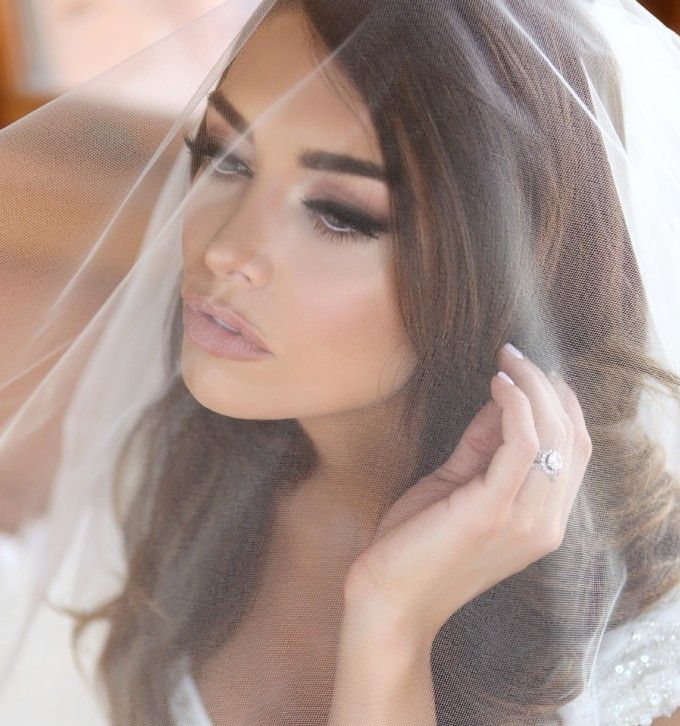
You can almost hear ‘em the proverbial wedding bells calling to your attention that hours and minutes are drawing near until its go time -- glam up and tie that binds, you are about to start a monumental chapter of your life and bang a plump angry looking heinous zit pops up smack in the center of your face now you can’t run and you certainly can’t hide -- Are you going to let it rain on your parade or would you rather have a disaster aversion plan. They say luck favors a prepared mind, so here’s a bit of dermatological wisdom to save your big day.

Lets Deal With That Dreaded Last Minute Blemish First
Acne Emergency Treatment
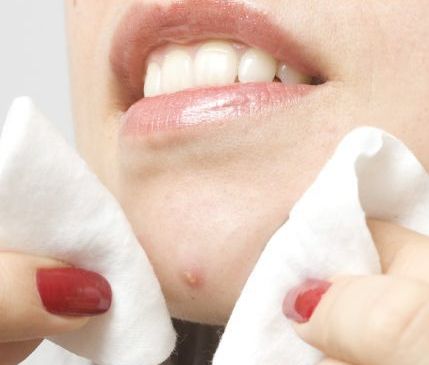
There isn't a bride who doesn't live in fear of an eleventh hour zit -- Think Zen and breathe easy there is a quick fix to that, go see your dermatologist she/he can give you a cortisone injection, and voila -- the pimple will be gone overnight. If you can't get in to see a doctor, apply hydrocortisone cream under a Band-Aid to reduce the inflammation. Taking Ibuprofen Tab 400mg every four hours will also help. Whatever you do, don't pick at it -- it will only irritate the surrounding skin and mess up your bridal makeup too. Most makeup artists would rather cover a bump than an irritated open wound. #AskNilo

Breaking Out In Nervous Hives
Breaking out in hives
There are ways to prevent a nervous rash from creeping up -- If you're prone to blotchy skin, take an antihistamine like Claritin, Zyrtec, or Benadryl at bedtime starting a few nights before the wedding. Just be sure to give it a trial run two weeks in advance so you know how it will affect you.

Red Red Red Alert -- Waxing And Threading
How to Avoid Pre Wedding Wax Horrors
Granted! you can’t get married sporting a fuzz face or hairy limbs, but what to do if your skin breaks out and gets blotchy after every hair removal experience. Simple fix, cleanse your skin immediately after the hair removal session with a skin-type appropriate cleanser, and apply Fucidin-H cream twice daily for two to three days to sterilize and calm your skin.

Experiment Early Not Just Before Your Big Day
Cosmetic Procedures And Injections
Please don’t do anything one week away that you haven’t tried six months out, this includes everything from the makeup, self-tanner and nail polish you use (make sure none of them give you a rash!) to facials and procedures you get at your derm’s office (botox, fillers, laser treatments or chemical peels).

Facials – How Important Are They?
Wedding Skincare
Everyone asks me are they a necessary pre-wedding indulgence? Like most dermatologists, I am not a huge fan of traditional facials. Physical extractions and pore cleansing with steam and instruments can actually cause significant breakouts, and they provide only temporary improvement. If you've never gotten a facial before, you certainly don't want to start in the days right before your wedding.

Bachelorette Botox Parties: Fun & Festive, Or Really Scary?
Botox Party
They're actually considered unsafe by all plastic surgery and dermatology professional academies. A party is for cake and drinks, not a medical procedure! You want an individualized approach to your treatment in a private, sterile medical setting. Same goes for doing any procedures at your saloon, keep all needles and sharpies limited to your doctors office, don’t accept any cheap medical treatments offered by your beautician.

Skin Saving Top Tip
Sunscreen sun protection
Don't neglect sun protection! If you're spending a lot of time outside, remember to apply sunscreen to all exposed areas of skin shoulders, arms, and chest in addition to your face. Steer clear of tanning salons before the wedding. Tanning causes premature aging and skin cancer -- it's really bad for your skin. Plus people with a little color in their skin can pigment unpredictably under the sun, so steer clear of unnecessary sun exposure.

Hope these tips help you navigate through any last minute skin woes before your special day, if you have any other scenarios that need a dermatologist’s perspective write back to me and I’d be more than happy to help. 

14.7.15

How To Look Skin-sational While Travelling?


How to look skin-satoonal while travelling
During summer every one travels whether it be few scattered weekends spent on a beach resort or jet setting halfway across the world to exotic locations. One factor common between summer and travelling is that both take toll on the skin. There's no question summer heat is harsh on skin and traveling has it’s own way of being stressful on accounts of being outdoors. Trying to look good while you're traveling is pretty much on the top of everyone’s stress-o-meter these days. Here are some tried and tested tips to let you enjoy your summer escapades while looking fresh skinned and selfie-genic for your instagram travel diaries.

Hydrate Your Skin Before You Take Off

Apply intense moisturizer the night before you are going to travel. This will help increase hydration in your skin before you're exposed to the dehydrating effects of cabin pressure.

Skip Makeup

Omit foundation on the day of your trip, and instead wear only moisturizer. Before you land, add a tinted moisturizer for a fresh, healthy look. If you just can't leave the house without some foundation be sure to put on a primer first - a silicone-based liquid or cream that puts a layer of protection between skin and makeup. It will help foundation and blush last longer and help keep your skin from becoming dehydrated.

Refresh With Mineral Water

To refresh your makeup while traveling never glob on more foundation, powder or blush. Instead, use a mister of mineral water like Avene Thermal Spring Water spray and add a dab of moisturizer on top.
Avene Thermal Spring Water

Blot Out Excess Oils

To keep oily skin from getting out of control while traveling, bring blotting papers or rice papers and dab the T-zone of face as often as necessary. This way you'll dab up the shine and excess oil without stripping out the moisture, so you'll arrive looking fresh faced instead of open pored and out of control shinny.

Be Generous With Your Lip Balm

You can further protect your kissers by packing a lip treatment in your carry-on bag and using it liberally while traveling. All airlines pack a intense lip balm in your flying "must have" first class gift bags because it doesn't rub the lipstick off and it keeps the lips hydrated while flying. The same principle applies on bus and train rides, where high heat or air conditioning can also cause lips to feel dehydrated. To nail the perfect duck-face and be the envy of all your cronies try AminoGenesis “Lips To love” and voila you’d have gorgeous pillowy lips that’d give Angelina Jolie a run for her puckers anytime.

AminoGenesis Lips To Love

Cool Down Puffy Eyes

To reduce under-eye puffiness after a long trip put crushed ice in a washcloth and apply it under the eyes. It's an automatic wake-up call that makes you look and feel immediately fresher.

Perk Up Your Peepers

Watching back-to-back in-flight movies, or reading that paperback novel cover to cover, can also cause you to arrive at your destination with red, watery, not-so-attractive eyes. To avoid it, use soothing hydrating eye-drops. They will lubricate and soothe eyes if you're reading or watching a movie, and refresh and wake up your eyes if you nap.

Keep Your Hands Off Your Face

To minimize breakouts while you're on vacation avoid touching your skin while you travel. You can pick up any number of unknown bacteria that can result in any number of skin problems after you arrive. If you're going to apply makeup while you're in transit, use an antibacterial hand wash on your hands first to further protect your skin.

Don’t Travel Without Your Cleanser

If you can only take one skin care item from home, let it be your cleanser. An abrupt change in cleansers can disrupt skin's acid balance and cause a vacation breakout.
AminoGenesis Really Really Clean

Get Your Beauty Zzzz’s

If you're going to nap on the plane, dab some super-rich night cream around your eyes and don a sleep mask. Both will help you look fresher and more relaxed when you wake.

Don’t Neglect Your Hands

Never leave home without a tube of your favorite hand cream in your tote bag, and use it liberally throughout the trip. This will not only keep your hands from drying out but in the event you do need to wash them it can help counter the effects of harsh commercial-grade soaps found in public restrooms.

Apply SPF Religiously

Whether you’re spending time on the beach, in a metropolis or at a mountain resort do not neglect your sunscreen. Use oil-free light textured lotion or gel with SPF 30 or higher and keep reapplying every 3-4 hours. Neglecting sun protection can lead to pigmentation anomalies in addition to collagen and elastin damage. In light skinned individuals risk of skin cancer can become very real.

Wish you all great happy adventures and safe travels.