24.2.14

Looking Into The Mind Of A Perpetual Tanner


Hop, Skip & Tan – Not Really - Seems The Tanning Tendencies Burn Much Deeper Than The Carefree Surface Bronze Indulgence.

Sun and skin cancer risk awareness educational campaigns have been active for years, yet we still see a good number of people tanned and carrying on with their sun-kissed lives, as if they are bronzed titanium, cancer & death proof or oblivious. Their devil-may-care, living on the edge attitude has engaged researchers to investigate what’s going on behind that charred and crisped skin mentality.

New research into the matter suggests that underlying psychiatric distress, including anxiety disorders and substance abuse, may explain why some individuals continue to tan even after experiencing serious negative consequences, such as skin cancer as well as accelerated aging.

Recently a study of more than 500 college students who tan showed that 31% met the criteria for tanning dependence and 12% met the criteria for problematic tanning. Both tanning classifications were significantly associated with scoring positive on measures of obsessive-compulsive disorder (OCD) and body dysmorphic disorder (BDD). In addition, tanning dependence was significantly linked to hazardous drinking and drug abuse.

“It's possible that some OCD and BDD symptoms may be driving some of the excessive tanning," the lead author Lisham Ashrafioun, a doctoral candidate in clinical psychology at Bowling Green State University in Ohio, recently told Medscape Medical News. "But the results also make the argument that there seems to be something else going on besides those 2 disorders. And it could be that there's also an addiction piece to it," he added.

Overall, co-investigator Erin Bonar, PhD, assistant professor of psychiatry at the University of Michigan Addiction Research Center in Ann Arbor, noted in a release that although more research is needed, the findings suggest that some young adults who tan excessively experience mental health symptoms that warrant further clinical evaluation. For these people, prevention messages and public health campaigns may not be as helpful, but further assessment and treatment could be the answer.


Researchers from UT Southwestern Medical center suggest tanning beds may be addictive, causing the same type of brain activity seen in addicts. Indoor tanning may have a rewarding effect on the brain that compels users to continue. The conclusion came from blood flow studies of the brain in response to tanning bed exposure, which were conducted by the UT researchers.
For the study, participants were given a contract material intravenously. They were either really tanning or in a bed that had filters to block UV in two sessions. Before and after each tanning session, they were asked how much they felt like tanning.
The researchers saw changes in blood flow to the brain, linked to reward and pleasure, which is similar to that seen in addiction.

From all this data it is clear that “one message can’t fit all”, although tanning is a known risk for skin cancer, there is a psychological and cultural disconnect between the risk and the desire for a 'healthy glow.’ We need to understand the psyche of the tanning connoisseurs and focus on more individualized campaigns to take into account the OCD, BDD and addiction aspects of tanning.

17.2.14

Combating Dry Skin With Oral Supplementation


Plagued with dry, itchy, flaky and unsightly skin? Don't hide it under long sleeves and pants - Replenish it from inside out. Dry skin can result from numerous factors, including genetics, some skin diseases (diabetes, psoriasis eczema etc.), hormonal imbalance, vitamin deficiencies, poor hygiene coupled with use of harsh chemical loaded skincare, and harsh envoirmental conditions including excessive sun exposure.

A study by the Institute of Experimental Dermatology, in Germany revealed in 2008 that women who took flaxseed- or borage-oil supplements (2.2 grams a day) for 12 weeks experienced a significant increase in skin moisture and a reduction in skin roughness. A healthy diet with three to five servings a week of fatty acids can suffice to pertain moisture to an average person's skin.

If you suffer from very dry skin or eczema, consider flaxseed, evening-primrose, or borage-oil supplements. All are good sources of alpha or gamma linolenic fatty acids. Here’s a brief review of some supplements and food groups that can help keep your skin at it’s optimal.

Gamma-linolenic Acids
Gamma-linolenic acids, or GLAs, are essential fatty acids that help the body produce prostaglandins; hormone-like substances that support numerous body functions. According to the Linus Pauling Institute at Oregon State University, GLAs are good nutrients to maintain supple skin. GLAs can be reaped from evening primrose oil, borage oil and black currant oil.

Fish Oil
Fish oil contains omega-3 fatty acid; healthy fats known to reduce inflammation and support cardiovascular health and brain function. Fish oil intake also helps alleviate dry skin. Sufficient intake of omega-3 fatty acids can be acquired by eating fatty fish, such as wild salmon, albacore tuna, herring or sardines, at least twice weekly, or from fish oil dietary supplements. People who do not consume fish can reap similar benefits from ground flaxseed, flaxseed oil, walnuts, walnut oil and canola oil. Omega-3 fatty acids supplements made from plant-based sources are also available.

Vitamin B6
Vitamin B6 is a water-soluble nutrient that supports enzyme production, metabolism and transport of oxygen throughout the body. Sufficient vitamin B6 intake also helps prevent skin conditions, including those that cause dry cracks around the mouth, according to the American Skin Association. Valuable food sources of vitamin B6 include potatoes with skin, bananas, garbanzo beans, chicken breast, oatmeal, pork oil, roast beef, sunflower seeds, sunflower oil, vitamin-fortified cereals and rainbow trout. Dietary supplements are available for people with vitamin B6 deficiency.

Other Vitamins
The American Skin Association lists other vitamins that may help improve skin hydration. These vitamins include vitamin A, riboflavin, vitamin C and vitamin D. A healthy diet that includes fruits and vegetables such as carrots, oranges and leafy green vegetables will increase your intake of these nutrients.

10.2.14

Youth Responds To Vanity Rather Than Health - The Sunscreen Message


Sun Protection, Sunblock
Our youth might be more vain than we perceive, as it’s been shown by an educational message video study where an appearance related message resulted in behavioral modification more effectively than a health-based video while promoting sunscreen use among high school viewers.

Studying youth influence patterns to promote health messages department of dermatology, University of Colorado at Denver, conducted a study where they studied 50 high school students (mean age, 17.2 years) in a randomized control trial between February and March 2012. Twenty-five students (76% females) viewed an appearance-based video on ultraviolet induced premature aging, while the others (84% female) viewed a health-based video on UV exposure and skin cancer risk. Both videos were approximately 5 minutes long and viewed in a group setting. Researchers asked the students questions about sunscreen application use at baseline and at 6-week follow-up.

Sunscreen use increased slightly (0.9 ± 1.9 days/week; P=.096) in the students who viewed the health-based video compared with a larger increase (2.8 ± 2.2 days/week; P<.001) among students who watched the appearance-based video. Sunscreen was applied at a greater frequency in the appearance-based cohort (2.2 ± 1.4) compared with the health-based students (0.2 ± 0.6; P<.001). Both groups had significantly improved sunscreen knowledge scores, and at 6 weeks the difference in improvements was nearly equal.

The study was limited in that it focused on adolescents, and it might not be generalized to the universal population, as the researchers have reported. “Our study also demonstrates that appearance-based education can be effectively delivered by video. Researchers also concluded, “In contrast to appearance-based interventions using resource-intensive methods, such as UV photography, video education can be easily and widely disseminated to influence behavior.”

One message that came out loud and clear through this scientific exercise is that appearance-based messaging may be superior to traditional health-based messages in promoting sun-protection behaviors. 

4.2.14

Are Blackheads Ringing Your Beauty Alarm Bells?


Blackheads, comedones

Blackhead - The mere utterance of the word sends shudders down any beautista’s spine who craves clear radiant skin. Not surprisingly, a sprinkle of blackheads across the nose and cheeks is declared beauty emergency. Blackheads, or comedones as they’re known medically, occur when a pore becomes blocked with dead skin cells and sebum. When they’re exposed to the air, they oxidize and take on their dark color, hence the name “blackhead”. They can affect any type of skin but more commonly occur in people with oily skin. When blackheads are left without treatment, they can grow larger and darker, causing the pore to expand with it.
It’s about time you discovered the most effective ways of getting rid of these annoying skin imperfections and device a plan to prevent further outbreaks.

Squeaky Clean
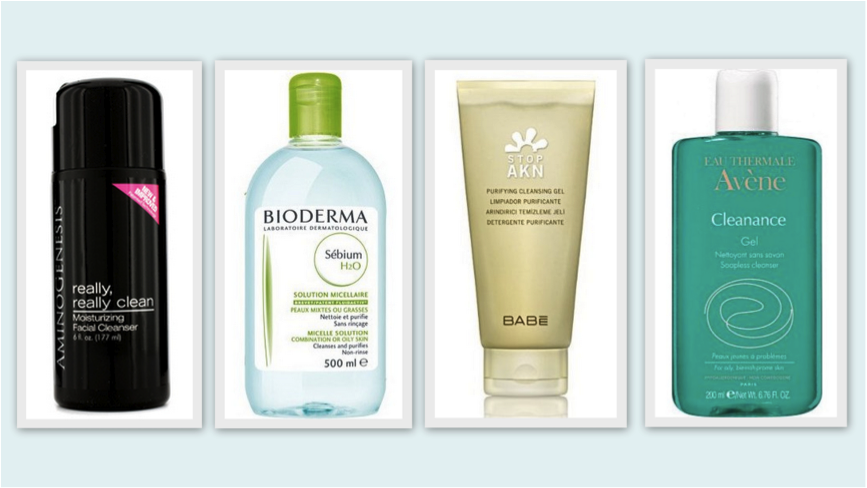
A proper cleansing routine is the first and most essential step in blackhead prevention. Using a salicylic acid-based cleanser both morning and evening will help to break down debris within the pores, treating existing comedones and preventing the appearance of new ones.

Pore Toned To Perfection
Try using an alcohol-free toner that contains tea tree oil or salicylic acid. Not only will it remove any traces of impurities, it’s anti-microbial and anti-bacterial action will help to close pores and prevent future outbreaks.

Optimally Primed With Exfoliation
Use a fine-grained exfoliating scrub twice a week to smooth the skin and get rid of surface cells that could block pores. Manual exfoliation is key in the prevention process.

Hydration The Life Force Of Good Skin
Even if you suffer from an oily complexion, moisturizing is necessary in keeping skin healthy. Use an oil-free moisturizer that contains hyaluronic acid for deep hydration and an oil-free sunscreen with an SPF 50 to keep skin hydrated and protected to perfection.

Mask Of Beauty
Sulfur or clay-based masks work to draw out the congestion, absorb oil, and tighten pores. Apply the mask once or twice a week to make the most of its pore de-clogging and refining benefits. 

25.1.14

Destination Slim, Trim And Detoxed


Health & Beauty Memo 2014: Do your body a favor - Stop flooding it with chemicals!

Detox Dr. Shazia Ali

Research has shown that modern day conventional pesticide loaded diet and pollution can run havoc not just on your skin and physique, but your overall health. You can't eliminate all toxins from your life, but you can dramatically reduce your exposure and make your body better at getting rid of toxins -- as a result, your body will become better at losing weight.

Choose Organic Choose Healthy: Eliminating toxins from your body can make it easier to shed pounds. The presence of endocrine-disrupting chemicals (for example, BPA present in many consumer items from canned food to cash register receipts) has been linked to increased risk of obesity. Some chemicals, including a widespread pollutant present in smoke from burning wood, charcoal and in charred meats disrupt the ability of the body to digest and eliminate fats. Numerous common toxins including heavy metals, solvents, pesticides, and Phthalate have all been shown in studies to cause lab animals to gain weight.


Bycot Fat-Free Foods: Don’t fall into the trap of fat-free promise. Products, such as fat-free yogurt, cheese, and baked goods, contain artificial chemicals to make them taste better. These added ingredients can slow metabolism and are typically very high in carbs and sugar. Plus, they can wreak havoc on your skin and hair health.


No More Artificial Sweeteners: Avoid all products with artificial sugars such as sugar free sodas, gums and candies. Be wary of products that state they are sugar free, but contain sorbitol, suclilose, aspartame, or splenda. These chemicals actually slow muscle building and reduce calorie burning and get in the way of a healthy lifestyle.


Be Sure To Hydrate: Drink 1/2 of your body weight in ounces of water each day. So, if you weigh 140 pounds, need to drink 70 ounces of spring water every day. Many teas are dehydrating, but raspberry tea can actually enhance your hydration and give your skin a healthy, plump look.


Make Breakfast A Ritual: It’s been hailed the most important meal of the day and it’s true! You need to eat a healthy breakfast within 45 minutes of waking up to fire up metabolism. Haylie suggests making a smoothie with uncooked rolled oats, raw nuts, and fruit.


Do A Detox: To get rid of any bad food hangovers, it’s a must to indulge in a cleanse once every few months. There are so many Detox plans out there you can follow any that you feel comfortable with. My eyes are caught by the celebrity fat-whisperer Haylie’s created line of products called Optimal Cleanse and Optimal Fat Flusher, both of which have shown long-term weight loss promotion because they help to release toxins that can plateau many diets. J Lo is a huge fan of the Optimal 5-day Cleanse.


Photo credits: Mario Testino for American Vogue

13.1.14

All Eyes On Strateris™ — An All New Under-eye Transformation System


Under eye wrinkles and bags can act as bad billboards for aging, brazenly advertizing and sometimes exaggerating our age to all and sundry  — How many of you agree with this statement? — I solemnly do and apparently Jennifer Aniston does too!

Jennifer Aniston is an astute and age-smart gal, who not only believes in diligently takes care of herself, but she also knows the importance of focused care for peepers, especially the delicate age-prone areas under the eyes. Jenny’s secret eye opener: First Aid Beauty Detox Eye Roller has severed her well up until now, but in 2014 she is moving on to something more high tech and well researched. She has recently partnered up with Living Proof, a high-tech beauty company unveiling a new, albeit temporary solution for under eye wrinkles and bulges.


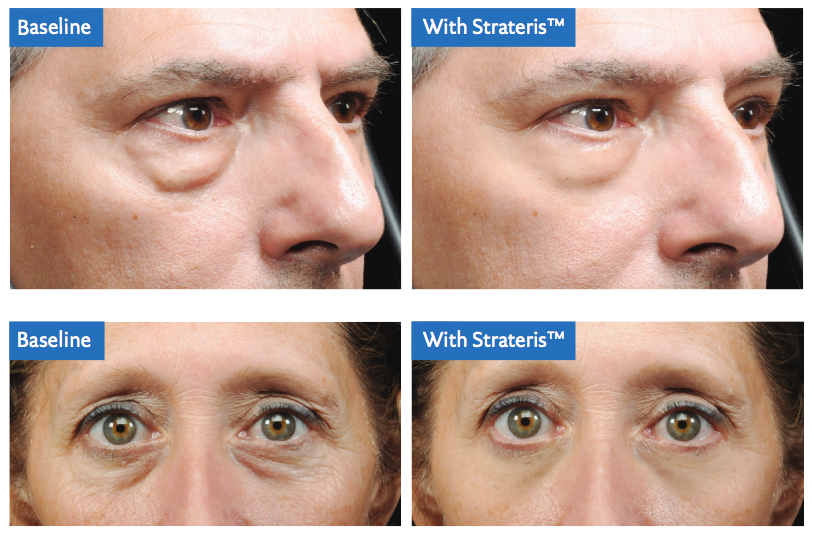
The product is called Strateris™ it works by creating an invisible film that essentially shrink-wraps loose skin under the eyes so effectively that it looks as if the wrinkles and bags have been surgically snipped away.


The product is a two step a roll-on treatment, when applied under the eyes it forms a transparent film that’s breathable, flexible, and imperceptible. The Contouring Complex (Step 1) is a proprietary dispersion of polydimethylsiloxane polymers in an aqueous medium. The Activator (Step 2) is a water-in-silicone emulsion that is applied over the Contouring Complex to immediately initiate the appearance of lower lid rejuvenation. The effects last all day until Strateris™ is removed, at that point the skin returns to its original state. Doctors are calling Strateris™, the latest and sheerest Spanx for under eye area, as it works by compressing the sagging skin and pads of fat.

Strateris™ has been in development for ten years and has been tested on 600 people with lower lids fat bags. While it's not a cure for eye bags or wrinkles, some people look at it as a promising alternative to injectables. That's probably why Valeant Pharmaceuticals, the company that markets Restylane (an injectable wrinkle filler) and Dysport (a Botox competitor) last week invested $75 million in Strateris™.

Strateris™ is not available in the market yet, but it has been generating a lot of buzz awaiting its big unveiling at the American Academy of Dermatology Conference in Denver in March 2014. Strateris™ is going to be sold through doctor's offices, though it won't require a prescription. 

6.1.14

Got Oily Skin? - Here Are Your Daily Maintenance Guidelines


They say too much of a good thing can be bad, that’s so true when we are talking about oily skin. Normally oils produced by the body help keep our skin healthy, but excess oil can also lead to blemishes and acne flare-ups. Fortunately, there are plenty of ways to manage oiliness. Clear complexion strategies range from over-the-counter cleansers to prescription lotions and cosmetic treatments.

Cleansers: Most effective way to manage oily skin is to cleanse your face both morning and night. Look for a mild cleanser or one that includes an acid such as benzoyl peroxide, salicylic acid, glycolic acid, or beta-hydroxy acid.
Wash with warm water, not hot, because temperature extremes can irritate skin.
Toners: Using a toner on the T-zone helps to remove excess oils and also balances the PH of the skin. Use once daily and always finish up with applying an oil free moisturizer to make sure skin doesn’t end up being over dry.  
Moisturizers: People who have oily skin often steer clear of moisturizers, worrying that they’ll make their skin look even shinier. That’s a bad idea. Even oily skin needs to be moisturized to look its best. To avoid an oily sheen, choose an oil-free moisturizer. Vary the amount you apply depending on whether the area tends to be dry or oily.  
Exfoliaters: Using a exfoliation scrub once a week helps keep pores clear and retards sebum retention in the pores (black & white heads).

Professional Acne Treatment: If over-the-counter products aren’t enough to help you manage oily skin, talk to your dermatologist. Lasers and chemical peels can help reduce oiliness and improve the overall look of your skin. Creams laced with tretinoin, adapalene, or tazarotene can also help by altering pores and reducing oiliness. Since these products can be irritating, it’s best to use them only on oily areas and only as often as you really need.  

Adapt Your Facial Regimen: How oily your skin appears can vary season by season, week by week, even day by day. Oil production is influenced by hormones, by mood, even by the weather. For example, some people have problems with oily skin only in the summer when they’re sweating. It’s important to be aware of how your skin varies so that you can adjust your regimen accordingly. You may need cleanser with glycolic acid or beta-hydroxy acid every day during the summer but only now and then during the winter. That’s important to know since overusing these products can cause skin to dry out.

It’s also worth remembering that oil production is a normal part of healthy skin. People with naturally oily skin tend to have fewer wrinkles and healthier looking skin. So don’t go overboard in your efforts. Remove excess oiliness when you need to look your best, but be careful to preserve your skin’s natural anti-aging mechanism.